





Sleeping under the stars, no cell service, no clocks, and no real plan besides making it to the takeout. For three weeks we just settled in.
An invitation to boat the 277-mile Grand Canyon of the Colorado—which doesn’t come easy—is a “drop everything and go” type of opportunity. People often wait years, or even decades, to pull a permit through the lottery system. Somehow, the river gods were on our side and our friend Wyatt pulled a permit on his first try. At 24-years-old, with plenty of friends marginally employed and eager to join, we pieced together a loose plan, rounded up a crew, and started packing. The most important question: how many beers to bring!

Our crew was mostly kayakers and raft guides, and the beauty of having five 18-foot rafts is there is no limit to how much stuff you can bring. I’d be lying if I said we kept it simple—seven different kayaks, board games, frisbees, footballs, ropes and harnesses for canyoneering, lawn chairs for camp. If I went back I would’ve taken the advice of Wyatt’s dad Doug who said, “all you need is a pair of boardshorts and a sun shirt.”
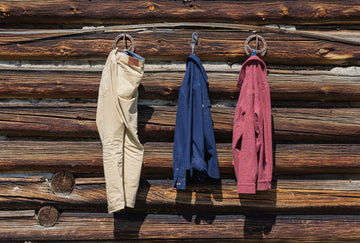
Wyatt and I lived in our Migration Shorts and East Cape Hoodies most of the trip—no one seemed to mind we never changed even between hikes, cooking, and more spilled beer than I’d like to admit. Sun protection was key with desert temperatures close to 100-degrees during the day, but the quick-drying East Cape was perfect for keeping the skin cool and protected.
The days quickly fell into a rhythm. Mornings started early, with that day’s cook crew putting on a pot of coffee and breakfast as the sun came up over the canyon walls. Camps without much shade turned into a mad scramble once the sun hit. One minute everyone’s lingering over breakfast and refilling coffee, the next a mad scramble to pack-up before camp turned into a frying pan. After breaking down camp we’d push off around 10am, with the rower for each raft keeping an eye on the Grand Canyon River Guidebook to see what kind of rapids lay ahead. A few people would kayak each day, with the rest taking turns rowing or relaxing on a paco pad enjoying the scenery.
As a whitewater kayaker, the biggest surprise of the trip was the quality and consistency of the rapids. While at least 75% of the canyon is flatwater, it never felt dull. The calm stretches were scenic and always broken up by a rapid every mile or two. For the bigger rapids that merited scouting, kayakers would hike a few laps on the rapid while the rafters scouted. As expected, there were too many amazing surf waves to count.

On shorter days (5-10 miles) we’d pull over on a sandy beach for lunch, on longer ones we’d drift and eat on the rafts. Days on the water were rarely long or exhausting. If we spotted a good wave we’d stop to surf, and at least half the days we’d sneak in a side-hike up a slot canyon or to a waterfall. By mid-afternoon we were deciding what beach to camp at.
From the stories my dad and his friends told, most Grand Canyon trips are a patchwork of people who’ve waited years for a permit and finally scraped together enough vacation days to make it happen. Our trip couldn’t have been more different. Everyone on the trip was in their 20’s, mostly between jobs or working seasonally enough to disappear for three weeks without consequence. No one had to beg for time off or juggle responsibilities—we just said yes and showed up. No real schedules, no one waiting on us, and no reason to be anywhere but there.
On the afternoon of Day 11, I sat back alone for the first time and realized I hadn’t thought about anything outside the canyon since we started. My brain had gone quiet—no to-do lists, no deadlines, just the tough decisions of what kayak to use, where to hike, what to eat, and putting the pieces together to make the day memorable. By Day 17, a few thoughts about life outside the walls started to creep back in—plans for winter, things waiting at home—it was sad to feel that quiet brain slipping away and to see the crew part ways into their next adventures.
Coming back to the real world is a feeling only those who’ve done the trip will understand: emails and texts flooding in and the noise and pace of normal life feeling foreign and overwhelming. Before the trip many thoughts bounced around in my head—the remoteness, the adventurous travel, the uncertainty, all the gear. But, what I didn’t realize until I was there doing it, were the feelings of a deep connection to the surroundings, a reflection on life, and a bond with friends that will last forever.
I am thankful. For Wyatt’s luck in pulling a permit, for the crew, for the loose plans, and for the three weeks where nothing mattered besides having the best day possible.
- Written by Isaac Hull, 3BIRD adventurer